



Lebanon is one of the most unique and complex e-commerce markets in the Middle East. Despite one of the worst economic crises in modern history, Lebanese entrepreneurs have turned adversity into opportunity, building resilient online businesses that serve local customers, the diaspora, and international markets alike. With 15 years of experience helping businesses start an online store in Lebanon and across the Arab world, I can confidently say that Lebanese e-commerce is not just surviving, it is evolving in ways that defy the odds. This guide covers everything you need to know to understand, enter, or grow in the Lebanese digital market in 2026.
The Lebanese E-Commerce Market: Where It Stands in 2026
Lebanon’s e-commerce market is smaller than its Gulf neighbors but growing steadily. Here are the key figures that define the current landscape.
- Market revenue reached approximately $1.3 billion in 2024, with projected growth at 8.88% CAGR through 2029 — source: Statista
- Over 1,941 active Shopify stores are operating in Lebanon as of 2025
- 90% internet penetration rate, one of the highest in the Arab world
- 84.3% smartphone penetration rate expected by 2025, driving mobile commerce
- Over 70% of online shoppers use their smartphones to make purchases
- 78% social media penetration, one of the highest rates in the Middle East
- 64.7% of Lebanese Shopify stores actively use Instagram for marketing and sales.
- The market is projected to reach $2 billion by 2029
What makes Lebanon a remarkable place to start an online store is that this growth has occurred against the backdrop of a severe banking crisis, currency collapse, political instability, and regional conflict. Lebanese entrepreneurs have proven that a determined digital business can survive, and even thrive, under extreme conditions.

What Makes the Lebanese E-Commerce Market Unique
Lebanon is not a typical e-commerce market. To succeed here, you need to understand the specific forces shaping consumer behavior and business operations.
The Dollar Economy Reality
Since the 2019 financial crisis, Lebanon has effectively become a dual-currency economy. The Lebanese pound lost over 98% of its value between 2019 and 2024, and most transactions, especially online, are now conducted in US dollars. This has actually created an opportunity: merchants who price in dollars serve both local “fresh dollar” customers and diaspora buyers simultaneously. Payments are accepted via “fresh dollar” debit and credit cards, international credit cards, and cash on delivery.
Social Commerce Dominates
The majority of Lebanese online sellers still operate primarily through Instagram, Facebook, and WhatsApp. Fashion, food, handmade goods, and beauty products are sold almost entirely via DMs and Stories. While this demonstrates the power of social engagement, it limits scalability, SEO visibility, and professional operations.
The Diaspora Opportunity
Lebanon’s diaspora, estimated at 10–15 million people worldwide, compared to roughly 5 million in the country, represents a massive and underserved market. Remittances account for 15–20% of Lebanon’s GDP. Lebanese e-commerce businesses that successfully market to the diaspora can access customers in the Gulf, Europe, the Americas, and Australia who are hungry for authentic Lebanese products, from artisanal food and fashion to handcrafted goods and cultural products.
A Resilient Entrepreneurial Culture
Lebanese entrepreneurs are among the most resourceful in the world. The crisis forced thousands of businesses to pivot online, creating a generation of digital entrepreneurs who now operate lean, mobile-first, social-commerce businesses. Many of Lebanon’s top online brands were born out of necessity after the 2019 financial collapse and the August 2020 Beirut port explosion.
Top E-Commerce Categories in Lebanon
Understanding which categories perform best helps businesses that want to start an online store in Lebanon focus their energy where demand already exists.
- Fashion and Apparel: The largest and most active category. Lebanese designers, modest fashion brands, and streetwear labels sell strongly both locally and to the diaspora.
- Food and Gourmet Products: Lebanese artisanal food, mouneh, olive oil, honey, sweets, and specialty items, commands premium pricing locally and internationally. This is one of the highest-growth export categories.
- Beauty and Personal Care: Driven largely by women aged 18–34, beauty products are among the most actively sold items on Instagram and TikTok.
- Consumer Electronics: The leading global e-commerce category applies in Lebanon too, electronics and accessories are consistently high-demand.
- Handmade and Artisanal Goods: A uniquely Lebanese strength. Handmade jewelry, ceramics, home decor, and crafts are popular both locally and internationally, particularly with diaspora buyers.
- Organic and Specialty Products: Growing interest in natural, organic, and niche items, especially post-crisis, as consumers seek quality alternatives.
E-Commerce Platforms Used in Lebanon
Lebanese businesses use a variety of platforms to build their online stores. The right choice depends on your business size, technical ability, and target market.
- Shopify: The most widely used platform in Lebanon with over 1,941 active stores. It supports Arabic, integrates with local payment gateways, and is mobile-optimized. Ideal for fashion, beauty, and food brands targeting both local and international customers.
- WooCommerce: A strong second choice for businesses that need more customization. Works well for larger catalogues and businesses with technical support.
- Ecomz: A regional platform with strong local support and integrations specifically designed for the Lebanese market, including local payment gateways and shipping partners.
- Instagram and Facebook Shops: Still the dominant channel for small and micro-businesses. However, relying solely on social platforms limits growth, SEO, and operational efficiency. Use them for discovery and traffic, but always have your own store.

Payment Methods in Lebanon
Payment is one of the most complex aspects of running an online store in Lebanon, given the banking sector’s collapse. However, the ecosystem has adapted significantly.
- Cash on Delivery (COD): By far the most common payment method. Still, the default for most Lebanese online orders due to limited trust in digital payments and the cash-based economy. Essential for any business selling locally.
- “Fresh Dollar” Cards: Debit and credit cards linked to post-2019 bank accounts funded with fresh dollars. These are accepted by most Lebanese e-commerce platforms and international gateways.
- International Credit Cards: Accepted on platforms like Shopify. Many Lebanese consumers use cards held in foreign banks, particularly diaspora members.
- Areeba: A leading MENA-focused payment gateway that works well in the Lebanese context and supports multiple currencies.
- Whish Money: A Lebanese digital wallet and payment solution designed specifically for the local market, supporting transactions in both LBP and USD.
- Bank Transfers and OMT / Western Union: Used for higher-value transactions, particularly with diaspora customers sending money to Lebanon.
Logistics and Delivery in Lebanon
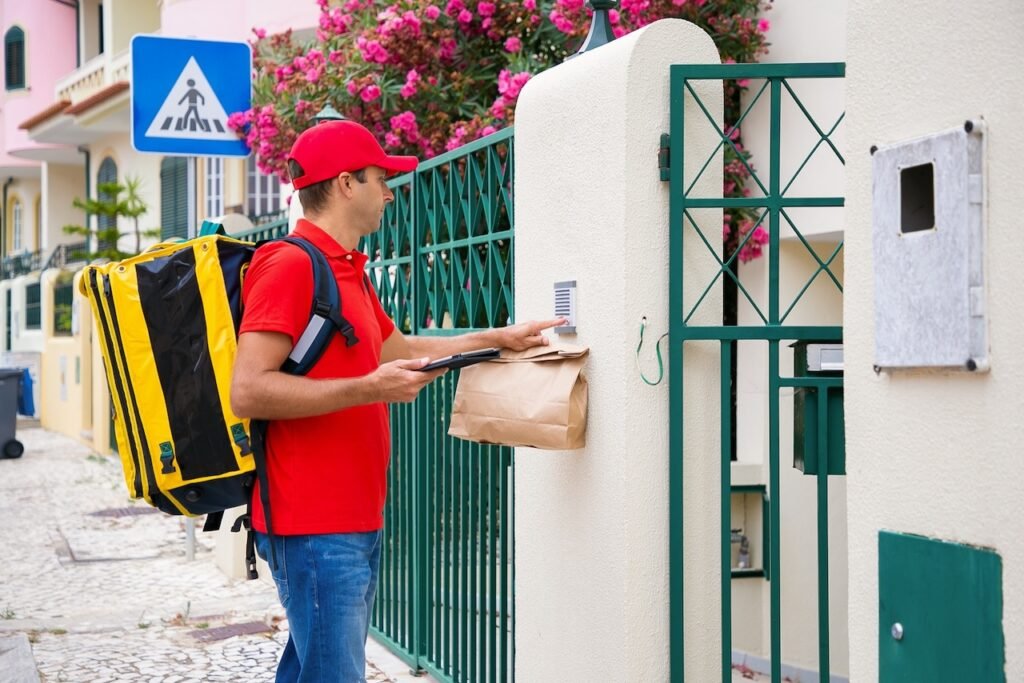
Last-mile delivery in Lebanon presents real challenges, unreliable infrastructure, fuel shortages, and the lack of standardized addresses. However, several reliable partners have emerged.
- Aramex Lebanon: The most trusted logistics provider for both domestic and international shipping. Essential for businesses targeting the diaspora or cross-border customers.
- DHL Lebanon: Best for international express shipping to the diaspora and global customers.
- Toters: A Lebanese-founded on-demand delivery platform that operates in Beirut and major Lebanese cities. Excellent for food and same-day delivery needs.
- Local Courier Services: Many small businesses use local couriers for Beirut deliveries. Speed and cost vary widely; always vet partners carefully.
A practical tip: always communicate delivery timelines honestly with customers. Overcommitting and under-delivering is one of the fastest ways to destroy trust in a market where consumer confidence is already fragile.
Key Challenges for E-Commerce in Lebanon
After 15 years in the field, I have never seen a market that requires as much resilience as Lebanon. Here are the real challenges every seller must understand before entering.
- Banking and Payment Limitations: The banking crisis has severely limited access to traditional payment infrastructure. Many merchants struggle to integrate reliable payment gateways or receive funds into Lebanese bank accounts.
- Consumer Trust Deficit: Fraudulent online stores and poor customer service have made Lebanese consumers deeply skeptical of online shopping. Building trust through transparency, reviews, and responsive communication is non-negotiable.
- Infrastructure Limitations: Daily power outages averaging 12–20 hours force businesses to rely on expensive generator fuel. Unreliable internet, particularly outside Beirut, makes operations difficult.
- Currency Risk: While the dollar economy has stabilized pricing, cross-border currency management and converting digital payments to usable cash remains complex.
- Logistics Gaps: Delivering outside Beirut is significantly more challenging. Rural areas have less reliable courier coverage and last-mile infrastructure.
- Regulatory Ambiguity: Lebanon lacks a comprehensive, dedicated e-commerce law. Businesses must navigate a patchwork of commercial, consumer protection, and digital regulations, though the situation is gradually improving.
Real Opportunities: Why Now Is Still a Good Time
Despite the challenges, there has never been a more compelling time to build an e-commerce business in Lebanon, especially one with an international focus. Here is why.
- First-mover advantage: The Lebanese online market is still underdeveloped. Well-designed, trustworthy stores with good UX and proper marketing stand out immediately.
- Diaspora export potential: 10–15 million Lebanese abroad are actively seeking authentic Lebanese products. An online store with international shipping can tap into this underserved, high-spending audience.
- Low cost of entry: Starting an online store in Lebanon costs a fraction of opening a physical store, critical in a market where capital is scarce.
- GDP growth forecast: The World Bank projected 4.7% GDP growth in 2025 and analysts expect 6.0% in 2026, driven by pre-election spending, tourism recovery, and diaspora investment.
- Young, digitally engaged population: Lebanon’s majority-young population (82% aged 15–64) is tech-savvy, social-media-active, and increasingly comfortable with online purchasing.
- Political stabilization signals: The election of President Joseph Aoun in January 2025 ended a two-year political vacuum. While progress is slow, the formation of a functioning government opens the door to the economic reforms needed for sustainable digital growth.
Tips for Success: How to Start an Online Store in Lebanon
These are the lessons I have learned from working with Lebanese brands and watching what separates the ones that survive from the ones that thrive.
- Build a real store, not just a social media page. Instagram gets you, customers. A professional store on Shopify or WooCommerce keeps them, builds your brand, and gives you the data to grow.
- Offer COD always. No COD option means losing the majority of potential Lebanese customers. Even if it creates operational complexity, it is non-negotiable in this market.
- Build trust aggressively. Publish real customer reviews, show your physical address, respond to every message within hours, and make your returns policy crystal clear. Trust is your most valuable asset.
- Price in USD. Dollar pricing protects your margins, aligns with market reality, and opens doors to diaspora customers naturally.
- Target the diaspora from day one. Partner with Aramex or DHL for international shipping. Diaspora buyers have higher average order values and are less price-sensitive than local customers.
- Invest in Arabic and French content. Lebanon’s trilingual culture (Arabic, French, English) means content in all three languages expands your reach dramatically.
- Use WhatsApp as a sales and support tool. In Lebanon, WhatsApp is not just messaging, it is commerce. Use it for order confirmations, customer support, and personalized selling.
- Optimize for mobile first. Over 70% of Lebanese shoppers buy on their phones. If your store is not mobile-perfect, you are losing sales every day.
Conclusion: Resilience Is the Foundation of Every Online Store in Lebanon
There is no easy market in the world. But choosing to start an online store in Lebanon demands a special kind of resilience, the ability to build trust in a low-trust environment, to operate efficiently with unreliable infrastructure, and to see opportunity where others see only crisis. Lebanese entrepreneurs have demonstrated, repeatedly, that this is possible. The brands that are winning today are not the ones with the most capital; they are the ones with the clearest brand identity, the most genuine customer relationships, and the smartest digital strategy.
At Lemonade Digital Media, we specialize in helping Lebanese and Arab businesses build professional, high-converting online stores with the right strategy, the right tools, and the right marketing. Whether you are just starting out or looking to scale, we are here to help. Contact us today for a free consultation.

Subscribe to the Digital Media Weekly Newsletter
In-depth analysis, the latest social media trends in the Arab region, and platform news. Delivered to your inbox every week.