



The UAE has firmly established itself as the Middle East’s leading digital commerce hub. With the market reaching $12.3 billion in 2026 and projected to climb to $21 billion by 2031, there has never been a better time to start an e-commerce business in UAE. Whether you are a local entrepreneur, an expat, or a global brand looking to enter the region, this complete guide covers everything you need — from market insights and licensing to platforms, payments, and marketing — backed by 15 years of hands-on SEO and digital strategy experience.
Why Start an E-Commerce Business in UAE?
Before diving into the how-to, it is important to understand why the UAE stands out as one of the world’s most attractive e-commerce markets. The numbers speak for themselves.
- $12.3 billion market size in 2026, growing at 11.29% CAGR through 2031 — source: Mordor Intelligence
- 99% smartphone penetration — one of the highest in the world
- 78.67% of all online orders processed via mobile devices
- 95% 5G coverage enabling fast, seamless shopping experiences
- Digital wallets account for 53% of all transactions as of early 2026
- 58% of UAE shoppers buy from international platforms — proving cross-border opportunity
- Fashion, electronics, food, and beauty are the fastest-growing product categories
Beyond the numbers, the UAE offers a business-friendly regulatory environment with 100% foreign ownership in free zones, zero personal income tax, a strategic location connecting East and West, and world-class logistics infrastructure. Learning how to start an e-commerce business in the UAE is one of the smartest moves an entrepreneur can make in 2026.

Step 1: Choose Your E-Commerce Business Model
The first step before any licensing or platform setup is defining your business model. The UAE’s regulatory framework categorizes online businesses into distinct types, and your license will depend on your model.
- B2C Online Store: Sell products directly to consumers via your own website or app. Best suited for fashion, electronics, food, beauty, and home goods.
- Marketplace / Platform: Build a platform where multiple sellers and buyers connect — similar to Amazon UAE or Noon.
- Dropshipping: Sell products without holding inventory. You take orders; a third-party supplier ships directly.
- Digital Services: Sell software, courses, subscriptions, or consulting online. Requires a different license type.
- Social Commerce: Sell via Instagram, TikTok, or WhatsApp. Requires an eTrader license for individuals.
Defining your model upfront saves time and money during the licensing phase and determines which platforms, payment gateways, and logistics providers you will need.
Step 2: Understand UAE E-Commerce Regulations
Compliance is not optional in the UAE. The governing law is Federal Decree-Law No. 14 of 2023 Concerning Modern Technology-based Trade, which regulates the sale of goods and services through websites, e-platforms, social media, and apps. Here are the key compliance requirements every e-commerce business must meet.
- Obtain a valid trade license from the Department of Economic Development (DED) or a Free Zone authority
- Secure a No Objection Certificate (NOC) from the Telecommunications and Digital Government Regulatory Authority (TDRA)
- Register for VAT with the Federal Tax Authority (FTA) if annual taxable turnover exceeds AED 375,000
- Comply with the UAE Personal Data Protection Law (2022) regarding customer data handling
- Display clear, accurate product information, digital invoices, and a transparent returns policy
- Never sell prohibited goods without proper regulatory approvals
Penalties for operating without a license can reach up to AED 500,000. This is why compliance is the foundation of any successful e-commerce business in the UAE.
Step 3: Get Your E-Commerce License
There are two main jurisdictions for licensing your e-commerce business in the UAE: the Mainland and the Free Zone. Each has different advantages.
Mainland License (DED)
Issued by the Department of Economy and Tourism (DET) in Dubai or the respective DED in other emirates. Best for businesses that want to sell directly to UAE customers without restrictions and operate a physical warehouse or showroom. Requires a tenancy contract (Ejari).
Free Zone License
Best for international entrepreneurs seeking 100% foreign ownership, flexible office options, and simplified setup. Leading free zones for e-commerce include Dubai CommerCity, IFZA, Meydan Free Zone, Sharjah Media City (Shams), and RAKEZ. License packages start from approximately AED 12,500/year. Free zone businesses typically need a local distributor to sell on the mainland.
eTrader License
Ideal for UAE and GCC nationals running small, home-based businesses through social media. Issued via the DET eTrader platform at approximately AED 1,000/year. Does not allow visa sponsorship or physical office space.
Steps to Get Licensed
- Choose your jurisdiction (Mainland, Free Zone, or eTrader)
- Reserve a trade name following UAE naming conventions
- Submit your application, passport copies, and business plan
- Obtain NOC from TDRA for your e-commerce activity
- Sign a tenancy agreement (Mainland) or flexi-desk lease (Free Zone)
- Pay the licensing fee and receive your trade license (3–5 days for Free Zone, 1–2 weeks for Mainland)
- Open a corporate bank account (recommended: Wio Bank, Emirates NBD, or Mashreq NEO Biz)
Step 4: Choose the Right E-Commerce Platform
Your platform is the engine of your online store. The right choice depends on your business size, technical capability, and growth plans. If you are unsure which platform suits your needs, read our guide on startup website design for a deeper breakdown.
- Shopify: The most popular choice for D2C brands in the UAE. Easy to set up, mobile-optimized, supports Arabic (RTL), and integrates with local payment gateways. Starting from $29/month.
- WooCommerce: Best for complex, heavily customized stores or B2B operations. Requires a WordPress hosting setup but offers maximum flexibility. Open-source with hosting costs from AED 50–200/month. See our guide on the best free WordPress plugins to enhance your WooCommerce store.
- Magento (Adobe Commerce): Enterprise-level platform for large-scale retailers with complex catalogues and high traffic volumes.
- Amazon UAE (amazon.ae): List and sell on the UAE’s most trusted marketplace. Ideal for reaching customers quickly without building your own store.
- Noon: The leading home-grown UAE marketplace with a strong Arabic-speaking audience. Excellent for fashion, electronics, and home goods.
A critical best practice: always build a bilingual Arabic/English UX from day one. The UAE market requires native RTL Arabic interface — not just a translation plugin. Read our guide on user experience optimization to learn how to build a site that converts. Failing to serve Arabic-speaking consumers means ignoring a massive purchasing segment. Also, make sure your site is mobile-friendly — over 78% of UAE orders are placed on a smartphone.
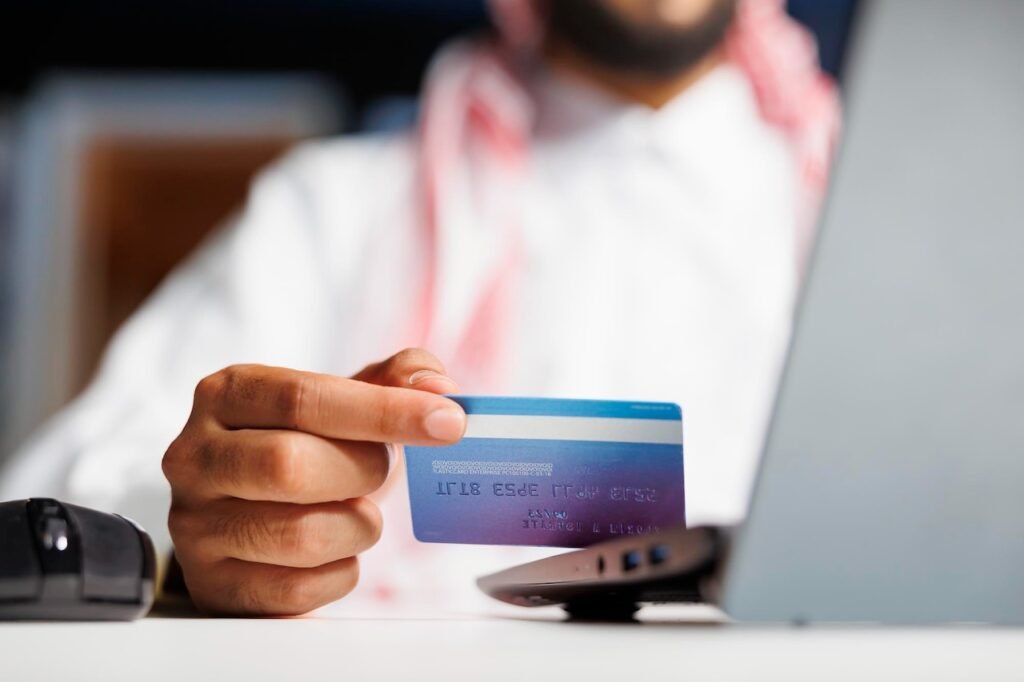
Step 5: Set Up Payments and BNPL
Digital wallets now account for 53% of UAE transactions. Offering the right payment options is critical for checkout conversion.
- Stripe UAE: International standard, easy developer integration, supports major cards
- PayTabs: Built for the MENA region, supports 168 currencies and Arabic interface
- Telr: UAE-based gateway with strong local support and anti-fraud tools
- Tabby: UAE’s leading Buy Now Pay Later (BNPL) provider — BNPL is growing at 13.27% CAGR through 2031
- Tamara: Another strong BNPL option popular across the GCC
- Apple Pay / Google Pay: Now accepted by the majority of UAE merchants
- Cash on Delivery (COD): Still used by 71.2% of UAE retailers — important for building customer trust in new stores
Tip: Always offer at least 3–4 payment options at checkout. UAE consumers expect flexibility, and a single payment method is a significant conversion killer.

Step 6: Build Your Logistics and Delivery Strategy
Fast, reliable delivery is a major competitive differentiator in the UAE. Consumers in Dubai and Abu Dhabi expect same-day or next-day delivery as standard.
- Aramex: The region’s most trusted logistics partner with strong last-mile capabilities across the UAE and GCC
- Emirates Post: Government-backed delivery service covering all seven emirates
- Fetchr: Tech-first delivery using GPS coordinates instead of addresses — ideal for the UAE’s complex addressing system
- Noon Express / Amazon Fulfillment: If selling on Noon or Amazon, use their in-house fulfillment for faster delivery and higher search ranking on their platforms
- Dubai CommerCity / EZDubai: Dedicated e-commerce free zones with integrated warehousing, customs clearance, and last-mile delivery
For startups, consider third-party fulfillment (3PL) to avoid upfront warehousing costs. As volume grows, evaluate shifting to your own warehouse in a free zone for better margins.

Step 7: Create a Winning Digital Marketing Strategy
Building an e-commerce store is only half the battle. Driving traffic and converting visitors into paying customers requires a smart, multi-channel digital marketing strategy tailored to the UAE market.
Search Engine Optimization (SEO)
SEO is the highest-ROI long-term channel for any e-commerce business in the UAE. Target emirate-specific keywords (e.g., “online store Dubai,” “buy electronics Abu Dhabi”) before competing for broader national terms. Build bilingual content in Arabic and English to capture both audiences. Use Google PageSpeed Insights to test your site speed and Google Search Console to monitor rankings and fix website indexing errors. Also, install Yoast SEO to optimize every page and post on your store.
Social Media and Influencer Marketing
The UAE has one of the highest social media penetration rates in the world. Instagram, TikTok, and Snapchat are the dominant platforms for product discovery. Partnering with UAE-based micro-influencers (10K–100K followers) consistently delivers 3–5x better ROI than paid search for fashion, beauty, and food brands.
Google and Meta Ads
Paid advertising in the UAE is competitive but effective. UAE consumers have high purchasing intent and above-average disposable income. Use Google Shopping Ads for product-based e-commerce and Meta Ads (Instagram/Facebook) for visual product categories like fashion, furniture, and beauty.
Email and WhatsApp Marketing
UAE consumers respond exceptionally well to WhatsApp communications. Build a WhatsApp Business account and use it for order confirmations, delivery updates, promotions, and abandoned cart recovery. Email marketing remains effective for repeat customers with an average open rate of 22% in the retail sector.
Step 8: Top E-Commerce Categories in the UAE
Understanding which categories perform best helps you position your e-commerce business in the UAE for maximum growth.
- Fashion and Apparel: The largest category at 21.59% market share. Luxury, modest fashion, and sportswear are particularly strong.
- Consumer Electronics: The fastest-growing segment with 31% growth in online distribution in 2026.
- Food and Beverages: Growing at 13.16% CAGR through 2031, driven by quick commerce and meal delivery.
- Beauty and Personal Care: Expected to exceed $1 billion in online sales — international brands dominate.
- Home Furniture and Decor: Growing rapidly on the back of the UAE’s real estate boom.
- Health and Wellness: Post-pandemic category with strong, sustained growth and high average order values.
Common Mistakes to Avoid
After 15 years of working with e-commerce brands across the UAE and GCC, these are the most common and costly mistakes we see entrepreneurs make.
- Launching without a license: A fine of up to AED 500,000 can destroy a new business before it starts. Always check the official UAE e-commerce regulations before going live.
- English-only website: You are ignoring 40%+ of your potential audience. Build Arabic from day one.
- Ignoring mobile UX: Over 78% of orders in the UAE are placed on mobile. Read our guide on mobile-friendly website design to avoid this costly mistake.
- Offering only one payment method: UAE consumers expect cards, wallets, BNPL, and COD as options.
- No clear returns policy: UAE Consumer Protection Law requires transparent return and refund policies.
- Skipping SEO: Paid ads give quick results, but stop the moment you stop spending. SEO builds long-term, compounding traffic at zero cost-per-click.
Conclusion: Your Time to Start an E-Commerce Business in the UAE Is Now
The UAE’s e-commerce market is not just growing, it is maturing into one of the world’s most sophisticated digital retail ecosystems. With the right license, the right platform, and the right digital marketing strategy, there is no better place in the world to start an e-commerce business than the UAE in 2026.
The opportunity is real, the infrastructure is world-class, and the consumers are ready to buy. The only question is: are you ready to build?
At Lemonade Digital Media, we help businesses launch, grow, and dominate in the UAE’s digital market, from e-commerce strategy and website development to SEO and social media campaigns. Contact us today for a free consultation and let us help you turn your e-commerce vision into measurable results.

Subscribe to the Digital Media Weekly Newsletter
In-depth analysis, the latest social media trends in the Arab region, and platform news. Delivered to your inbox every week.