



Oman is not the loudest market in the Gulf, but it may be one of the most underrated. With a well-educated, mobile-first population, strong government backing for digital transformation, and a consumer base that is shifting its spending habits faster than most people outside the region realise, the window to sell online in Oman with real impact is open wider than it has ever been. This guide walks through where the market stands in 2026, who the customers are, what they buy, how they pay, and what it practically takes to build an online business that works here.
Where the Market Stands in 2026
The numbers tell a story of steady, sustained growth. The Omani e-commerce market generated revenue of around 266 million US dollars in 2024, with projections for 2025 indicating growth of 10 to 15 percent. Depending on which research firm you follow, total market valuations range from under a billion to over three billion dollars, the variance comes from whether analysts include digital services, travel, and B2B transactions alongside physical retail. What everyone agrees on is the direction: upward, consistently, and driven by structural changes rather than short-term factors.
Smartphones captured 82.67% of the Oman e-commerce market share in 2025, and mobile-payment transactions climbed from 4.9 million in 2022 to 40 million in 2023, a 551% leap that converted checkout friction into instant one-tap confirmations. That figure alone explains why anyone looking to sell online in Oman needs to treat mobile experience as the primary design priority, not a secondary consideration.
Rapid progress under Vision 2040, a national digital-transformation agenda that had already delivered 2,277 online government services by late 2025, sustains consumer confidence and vendor participation. When people grow comfortable paying for government services online, that trust spills over into retail and services. Oman’s government has understood this connection and invested accordingly.
Who the Customers Are
Omani consumers are increasingly inclined towards online shopping for convenience, driven by a younger, tech-savvy demographic that values efficiency and accessibility. The rise of social media platforms has also influenced purchasing decisions, with users seeking authentic reviews and recommendations from influencers.
The Muscat metropolitan area is by far the most active market. The Muscat region dominates the Omani e-commerce market, holding over 70% of the total market value. Other major cities like Salalah and Sohar are showing increasing e-commerce adoption, but still have significant opportunity for growth. Rural areas lag significantly due to infrastructure limitations and lower internet penetration.
Expatriates make up a meaningful part of the Omani consumer base and tend to be early adopters of digital shopping. They are comfortable with international platforms, have above-average purchasing power in many segments, and shop across borders regularly. Any business looking to sell online in Oman that ignores this segment is leaving real revenue on the table.

What People Buy Online in Oman
Fashion and apparel led with 28.59% share in 2025, while food and beverages are expected to grow at an 8.02% CAGR through 2031. Apparel consistently leads Omani online spending, driven by a fashion-conscious population, the convenience of home delivery, and a strong influencer culture that makes discovery feel personal rather than transactional.
Electronics and consumer appliances are a close second. The demand for the latest smartphones, laptops, and household devices is consistent and driven by both Omani nationals and expatriates who compare prices across regional platforms before buying. Consumer healthcare, including vitamins, supplements, skincare, and wellness products, has grown noticeably since 2020 and shows no signs of slowing.
Food delivery and quick commerce deserve special mention. Competitive consolidation led by Talabat’s 32 million US dollar InstaShop acquisition in March 2025 signals the emergence of scale players capable of orchestrating on-demand grocery and restaurant delivery across Oman. The convenience habit that food delivery apps create tends to migrate into other product categories over time. Customers who are comfortable ordering dinner online become customers who order clothing, books, and household goods online too.
Home furnishings and decor are a growing category, partly tied to Oman’s active residential construction sector. Beauty and personal care products are consistently popular, with both international brands and regional alternatives finding buyers. Luxury goods represent a smaller but growing niche, particularly within the Muscat market.

The Platforms Worth Knowing
Understanding the platform landscape matters whether you are a buyer looking for the best prices or a seller deciding where to build your presence when you sell online in Oman.
Amazon (via amazon.ae): Amazon’s Gulf presence through its UAE platform ships to Oman and is widely used for electronics, books, household goods, and imported products. It has set the trust and usability standard that Omani consumers now expect from any online store.
Noon: The Gulf’s homegrown marketplace has a growing presence in Oman. Its Arabic-first interface, local payment integrations, and regional product catalogue make it a natural choice for Omani shoppers who prefer a local flavour. For sellers, listing on Noon gives access to a motivated regional audience.
Namshi: The go-to platform for fashion and footwear across the Gulf. If apparel is your category, Namshi’s customer base in Oman is active and brand-aware.
Talabat: Dominates food delivery in Oman and is expanding into grocery and quick commerce following its InstaShop acquisition. If you are in food, grocery, or fast-moving consumer goods, Talabat’s reach is hard to match.
Shopify and WooCommerce: For businesses that want to own their customer relationships, data, and brand experience, building an independent store on Shopify or WooCommerce is the right call. Both platforms support Arabic, integrate with Omani payment gateways, and give sellers full control over their pricing, marketing, and SEO. This is the foundation any serious business should build.
Instagram, TikTok, and WhatsApp: Social commerce is a real commercial channel in Oman, not just a marketing one. Fashion brands, home decor sellers, food producers, and artisans conduct meaningful sales through DMs, Stories, and WhatsApp conversations. It works as a starting point, but any business relying entirely on social platforms is building on ground it does not own.
Payment Methods and the Shift Away from Cash
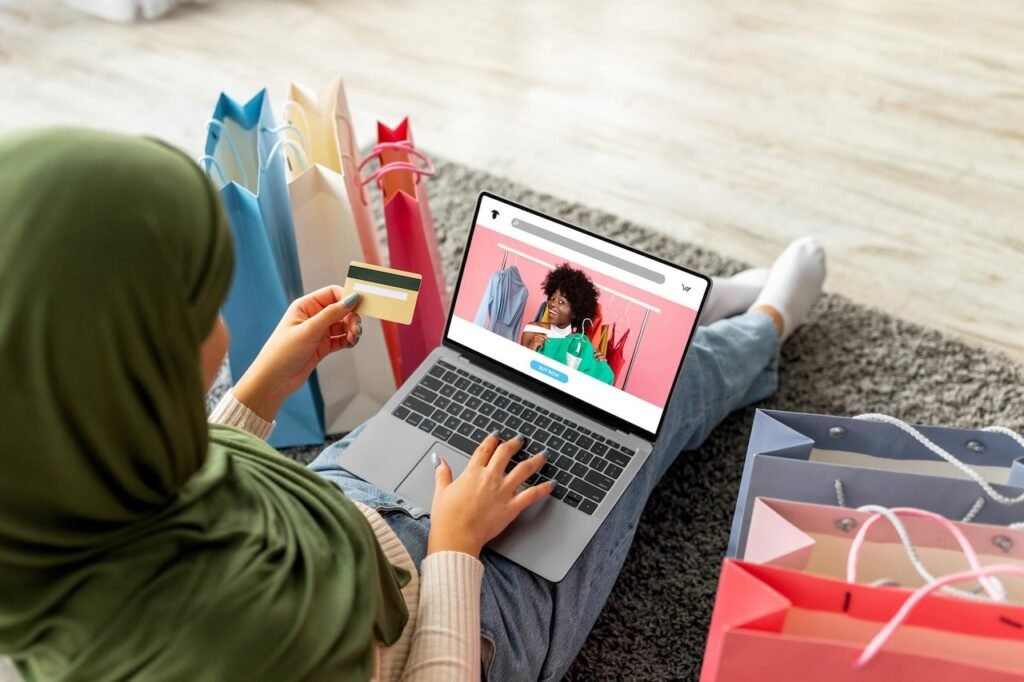
Payment infrastructure is changing quickly in Oman, and the shift is broadly positive for anyone looking to sell online in Oman. Credit and debit cards accounted for 43.92% of the Oman e-commerce market size in 2025, and digital wallets are advancing at an 8.27% CAGR through 2031. By the end of 2024, 87% of all transactions had moved to digital channels.
Cash on delivery remains a factor, particularly for first-time buyers and in product categories where customers want to inspect goods before paying. However, its share is declining as merchants incentivise prepaid orders through discounts and loyalty points, and as mobile wallet adoption accelerates among younger buyers.
The key payment options to support when building an online store for the Omani market include credit and debit cards via an international gateway such as Stripe or PayTabs, the Central Bank of Oman’s e-Payment Gateway, local mobile wallets including OmanNet and Thawani, and cash on delivery for categories where customer trust is still being established. In January 2026, Global Money Exchange Company launched Global Pay, the first payment-service-provider-licensed mobile wallet in Oman, integrating directly with the national payment infrastructure. The payment ecosystem is maturing fast, and sellers who support a range of options see fewer abandoned carts and higher conversion rates.
Logistics and Getting Products to Customers
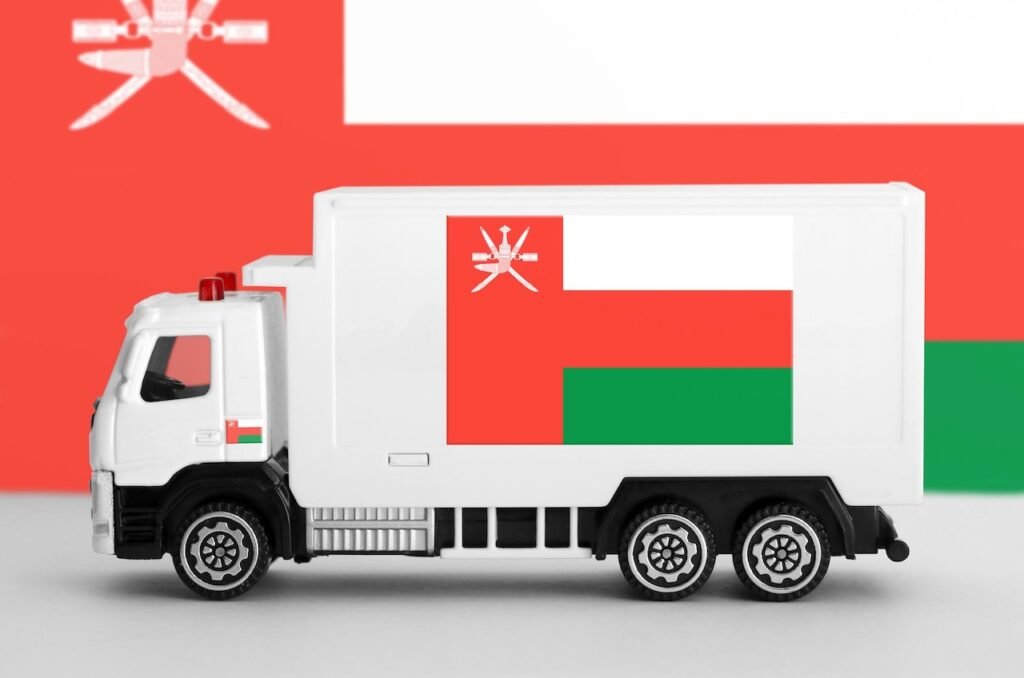
Muscat has solid delivery infrastructure, with same-day and next-day options available from the major carriers. Outside the capital, the picture is patchier — Salalah and Sohar have reasonable coverage, but remote governorates face delays and limited service.
Aramex: The most trusted logistics provider for both domestic Omani deliveries and cross-border shipments. Essential for businesses shipping internationally or receiving goods from overseas suppliers.
Asyad Express: The national logistics arm built on Oman’s postal infrastructure. Asyad Express expanded its Amazon partnership and posted 81% volume growth in 2024, followed by the launch of an automated fulfilment centre in December 2025. Its national reach, including areas that private couriers underserve, makes it worth using for domestic coverage.
DHL: The best choice for international express shipments, particularly for businesses exporting Omani products to buyers in Europe, North America, or East Asia.
For sellers managing fulfilment themselves, the practical advice is to set honest delivery windows, communicate proactively when delays happen, and offer a clear returns process. In a market where consumer trust in online stores is still developing, reliability and communication are more valuable than speed alone.
The Challenges That Need Honest Acknowledgement
Any guide worth reading about how to sell online in Oman has to address the friction points honestly.
Geographic concentration. Muscat accounts for the majority of online spending. A business that is designed to serve the whole country needs to think carefully about logistics, language, and product relevance for customers in Dhofar, Al Buraimi, or Musandam — where market dynamics are different and delivery infrastructure is thinner.
Consumer trust takes time to earn. Limited awareness of online shopping among older demographics and concerns regarding online security and data privacy continue to hinder widespread adoption. Sellers who make trust-building a deliberate part of their strategy — through visible reviews, clear contact information, transparent policies, and responsive service — outperform those who treat it as an afterthought.
Last-mile delivery outside Muscat. While cities like Muscat have better access to timely delivery services, isolated and rural areas sometimes face delays and inefficiency. For a business with national ambitions, this is a planning challenge rather than a reason to avoid the market — but it needs to be built into your delivery commitments and customer communication.
Cross-border payment complexity. Oman’s currency controls and the Omani rial’s managed exchange rate mean that receiving payments from international customers or paying overseas suppliers involves more steps than in markets with fully convertible currencies. Working with a payment provider that understands the local regulatory environment saves time and avoids surprises.
The Real Opportunities in Front of You
The case for building a business to sell online in Oman is not based on hype. It is based on structural factors that favour patient, well-run digital businesses.
The market is not yet dominated by a single local player. Amazon and Noon hold significant share, but neither has the kind of lock-in that makes it pointless to compete. A focused, well-designed store with a clear product niche and genuine customer service can build a loyal audience in Oman without needing to outspend anyone.
Market white space exists in B2B procurement and influencer-led live commerce, both of which remain underpenetrated. Live shopping, where sellers demonstrate products in real-time video streams and take orders during the broadcast, is growing fast across the Gulf. Oman’s influencer culture and social media engagement suggest that businesses willing to invest in this format early will find receptive audiences.
Omani craft and artisan products, silver jewellery, frankincense and oud, traditional textiles, handmade ceramics, and speciality food, have genuine appeal to buyers in Europe, North America, and East Asia who are looking for authentic Gulf products. Cross-border selling through Shopify with international shipping via Aramex or DHL is achievable for any well-organised small business. The demand is there. The infrastructure to reach it exists. What is missing in most cases is a seller with the will to build a professional online presence and target that audience deliberately.
Practical Steps to Start Selling Online in Oman
If you are ready to start or grow an online store in Oman, these are the steps that matter most.
Build your own store. Use Shopify or WooCommerce to create a professional store that you own and control. Read our guide on the best free WordPress plugins to see which tools can extend your store’s capabilities without adding cost. Social media pages are for discovery. Your store is for sales, data, and long-term brand building.
Make it bilingual from the start. Arabic-first design with English support reaches more of the Omani market and signals respect for local buyers. It also opens a separate SEO opportunity — Arabic search in Oman is less competitive than English, meaning good Arabic content can rank well with less effort.
Offer multiple payment options. Cards, mobile wallets, and cash on delivery should all be available at checkout. Each option removes a barrier for a different segment of your customer base.
Invest in mobile performance. With over 80% of Oman’s e-commerce traffic coming from smartphones, a slow or awkward mobile experience is not a minor inconvenience — it directly reduces your sales. Our guide on mobile-friendly website design covers the key principles in detail.
Use SEO as a long-term channel. Google Search Console and a plugin like Yoast SEO are free tools that give you real visibility into how your store is performing in search. Paid advertising gives quick results but stops the moment the budget runs out. SEO builds traffic that compounds over time and costs nothing per click.
Think about cross-border from day one. If your product has international appeal, set up international shipping options early. The incremental cost of adding Aramex or DHL international to your checkout is low. The revenue opportunity from Gulf, European, and diaspora buyers is not.
Conclusion
Oman in 2026 is a market that rewards preparation and patience. The growth is real, the infrastructure is improving, and the consumers are ready. Anyone who takes the time to build a trustworthy, well-designed, mobile-optimised store, and markets it with genuine content and honest customer service has a real chance to build something durable here.
The businesses that will look back in five years and wish they had started sooner are the ones doing nothing today because the market feels too small or too complex. It is neither. It is a market in motion, and the best time to position yourself in it is now.
At Lemonade Digital Media, we help businesses across the Arab world build and grow online stores with a clear strategy, strong design, and marketing that produces real results. Get in touch if you want to talk through what that could look like for your business in Oman.

Subscribe to the Digital Media Weekly Newsletter
In-depth analysis, the latest social media trends in the Arab region, and platform news. Delivered to your inbox every week.